Understanding Radon: The Silent Threat in Missouri Homes
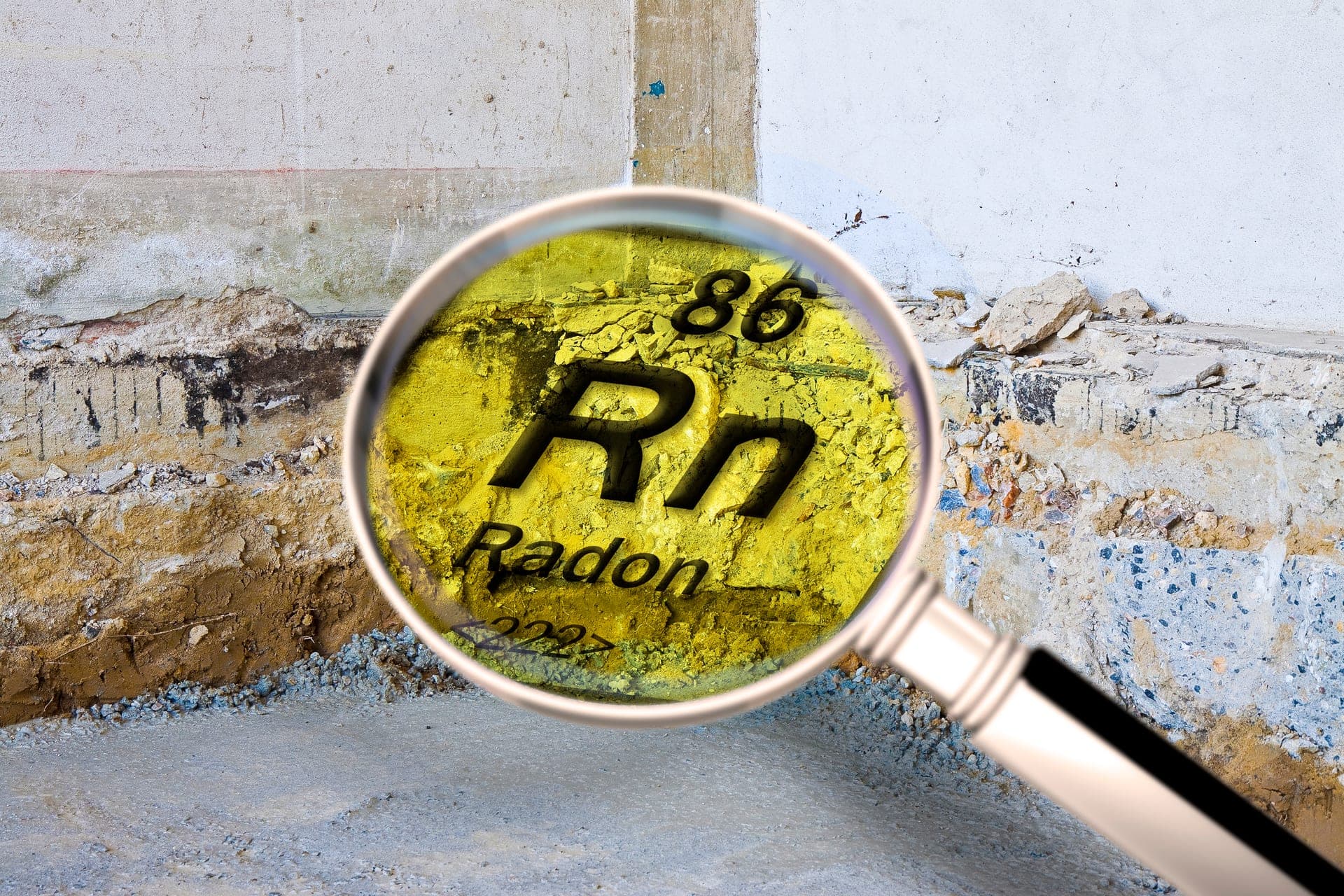
If you have never heard of radon, you are not alone. Many St. Louis–area homeowners only learn about it during a real estate inspection—yet radon is the second leading cause of lung cancer in the United States, responsible for roughly 21,000 deaths annually, according to EPA estimates.
The most alarming part? You cannot see, smell, or taste it. Radon can be present at harmful levels in newer builds and older homes alike. Missouri consistently ranks among the states with widespread elevated indoor readings, especially across the St. Louis metro, Jefferson County, and counties to the south and east.
At Eagle Air, we provide professional radon testing and mitigation so families can make decisions from data—not fear. Here is a practical overview of how radon behaves, why local geology matters, and what to do next.
What Is Radon?
Radon is a radioactive gas formed when uranium in soil, rock, and water breaks down. It moves through the ground and enters buildings through:
- Cracks in concrete slabs and basement floors
- Gaps at utility penetrations and floor–wall joints
- Crawlspaces, sumps, and unsealed block walls
- Well water (usually a secondary contributor compared to soil gas)
Once inside, radon accumulates without obvious signs. Basements and lower levels often show the highest concentrations, but upper floors are not automatically “safe”—HVAC mixing and stack effect patterns vary by home.
Why Missouri Homeowners Should Be Concerned
Missouri is not merely “at risk” for radon on paper. Several overlapping factors raise real-world exposure:
- Geology: Uranium-bearing rock and soil underlie large portions of the state, especially in the Ozarks and Mississippi River valley regions.
- EPA zones: Many counties fall into Zone 1 (highest potential) or Zone 2 (moderate). Zone maps are a planning tool, but every home should still be tested—radon varies lot to lot.
- Foundation types: Basements, walkouts, and crawlspaces provide multiple entry pathways.
- Tight, energy-efficient construction: Modern air sealing improves efficiency but can trap radon if soil gas is not managed.
The Statistics Homeowners Should Know
- There is no known safe level of radon; risk increases with concentration and exposure time.
- The EPA action level is 4.0 pCi/L—a point where mitigation is recommended promptly.
- Roughly 1 in 15 U.S. homes is estimated to exceed the action level; in parts of Missouri, local data suggests the proportion is higher.
These numbers are not meant to alarm—they are meant to motivate a simple, inexpensive test that removes uncertainty.
Health Risks of Radon Exposure
Radon decays into solid radioactive particles that can lodge in lung tissue after inhalation. Over years, that exposure increases lung cancer risk, especially when combined with smoking.
Critically, radon does not cause headaches, fatigue, or immediate respiratory flare-ups you can attribute to it. That delayed effect leads some homeowners to postpone testing—precisely the wrong move. The fix is straightforward; the hazard is long-term.
How Radon Testing Works
The only way to know your level is to measure. Short-term tests (days) support real estate deadlines; long-term tests (months) smooth out weather-related swings and better approximate year-round exposure.
Professional testing should include:
- A consultation on where to place monitors (lowest livable level, away from drafts)
- Guidance on closed-building conditions during the sampling window
- A clear report with pCi/L results and interpretation
If your reading is at or above 4.0 pCi/L, plan mitigation. If it is between 2.0 and 4.0 pCi/L, the EPA still encourages you to consider mitigation—especially if anyone in the home spends significant time downstairs or has risk factors.
Radon Mitigation: How High Levels Are Fixed
Mitigation is one of the most predictable upgrades in building science. The most common method—active soil depressurization (ASD)—creates a small vacuum under the slab or membrane so radon is routed outside before it enters living space.
A typical system includes:
- A sealed suction point through slab or crawlspace membrane
- PVC venting to above the roofline
- A specialized fan sized for your foundation and soil communication
- Foundation crack sealing and a U-tube manometer so you can confirm operation at a glance
Most installations finish in a day, and post-install testing documents the new level. Curious about the sequence? Read our step-by-step installation guide.
Radon, Real Estate, and Resale
Buyers increasingly expect radon data. Sellers who test early avoid rushed negotiations; homeowners who mitigate early enjoy health benefits immediately and cleaner disclosures later. If you are remodeling a basement, test before and after major envelope or HVAC changes.
Common Myths—Quick Corrections
- “My neighbor’s test was low, so I’m fine.” Radon varies dramatically within blocks.
- “We don’t use the basement.” Stack effect still moves air through the whole house.
- “New homes don’t have radon.” New construction can test high without soil gas control.
- “Opening windows fixes it.” Temporary dilution is not a reliable long-term strategy in Missouri’s climate.
Radon in Schools and Workplaces
This article focuses on homes, but the same physics applies to daycares, schools, and workplaces with below-grade spaces. If you serve on a board or PTA, ask when the building last tested. Commercial standards differ slightly from residential guidance, but the goal is the same: measure, then reduce verified elevations. For homeowners, the takeaway is simple: institutional buildings sometimes have mitigation budgets and maintenance staff—your house only gets safer when you schedule the test yourself.
Take Action: Protect Your Home Today
Radon is serious, but it is also measurable and fixable. Testing costs little compared to the peace of mind of knowing your number—and mitigation costs little compared to decades of unmanaged exposure. Share this page with anyone who recently bought a Missouri home but never followed up on the inspection report’s radon page; the fix is routine for professionals, but invisible to families until someone schedules the test.
Contact Eagle Air to schedule radon testing or request a mitigation assessment. We serve the greater St. Louis area, Jefferson County, Saint Francois County, and surrounding Missouri communities. Ask about bundled testing if you are also scheduling duct or crawlspace work—we can often coordinate a single visit.