
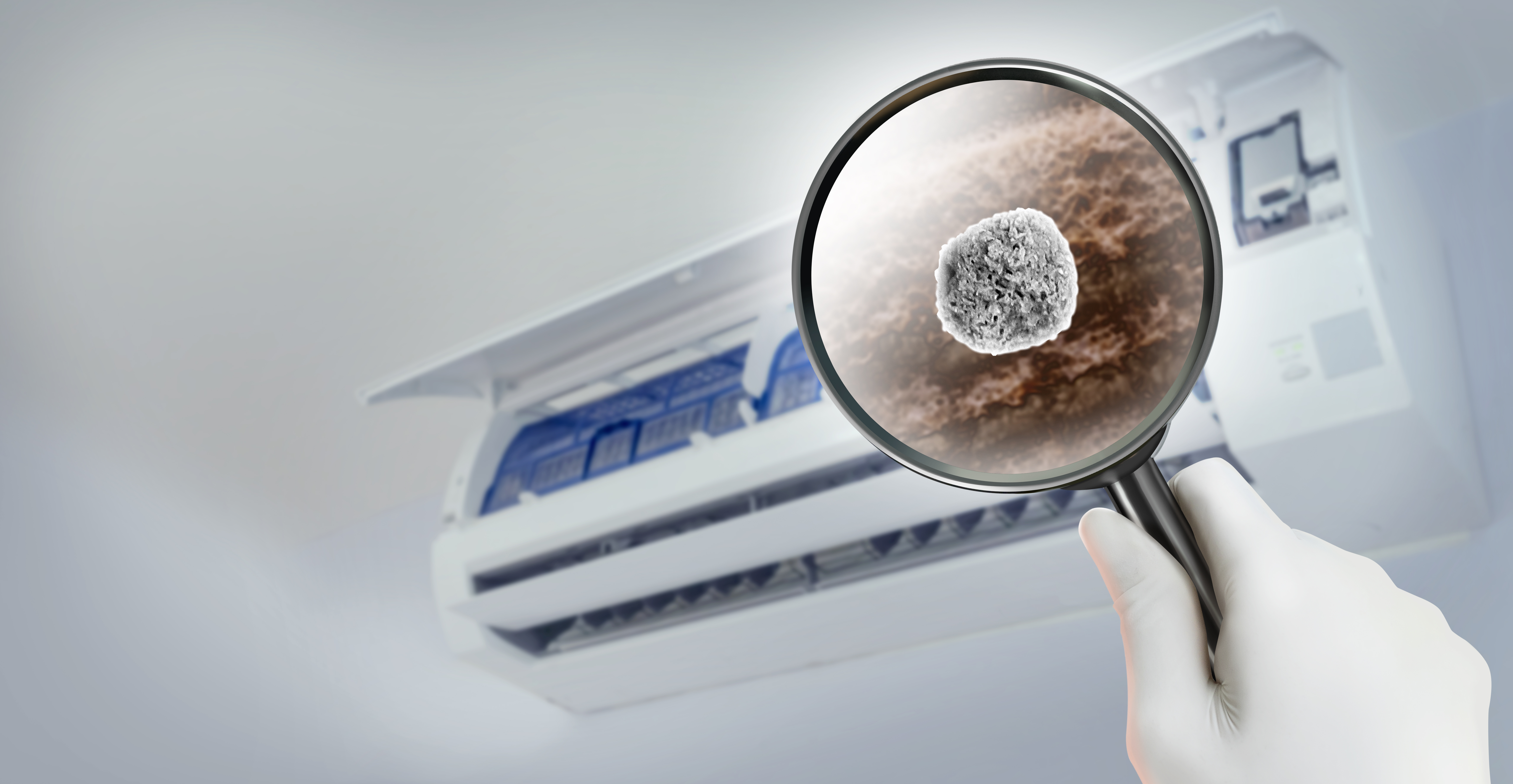
You walk into your basement and immediately notice it—that unmistakable musty smell. Or maybe you’ve spotted dark patches creeping across your bathroom ceiling. Perhaps you’ve been dealing with unexplained allergy symptoms that seem worse at home.
If any of these scenarios sound familiar, you might be dealing with mold.
Mold is more than just an unsightly nuisance. It’s a serious health hazard that can affect your family’s wellbeing and compromise your home’s structural integrity. And in St. Louis, with our humid summers and moisture-prone basements, mold is an all-too-common problem.
At Eagle Air, we’ve helped countless St. Louis homeowners safely eliminate mold through professional remediation. Here’s everything you need to know about mold in your home and why professional remediation is essential.
What Is Mold and Why Does It Grow?
Mold is a type of fungus that reproduces by releasing microscopic spores into the air. These spores are everywhere—outdoors and indoors—and are generally harmless in small quantities. Problems arise when mold finds the perfect conditions to colonize and grow inside your home.
The Perfect Recipe for Mold Growth
Mold needs just three things to thrive:
1. Moisture This is the most critical factor. Mold cannot grow without water or excessive humidity. Common moisture sources include:
- Leaky pipes or roofs
- Flooding or water damage
- High humidity (above 60%)
- Condensation on windows or pipes
- Poor ventilation in bathrooms and kitchens
- Damp basements or crawl spaces
2. Food Source Mold feeds on organic materials commonly found in homes:
- Wood and wood products
- Drywall and drywall paper
- Carpet and upholstery
- Insulation
- Dust and dirt
- Cardboard and paper
3. Suitable Temperature Mold grows best in temperatures between 60-80°F—exactly the temperature range most people keep their homes.
Why St. Louis Homes Are Particularly Vulnerable
St. Louis’s climate creates ideal conditions for mold growth:
High humidity: Our humid summers regularly push indoor humidity above 60%, especially in homes without proper dehumidification.
Older housing stock: Many St. Louis homes were built before modern moisture barriers and ventilation standards. Basements in older homes are especially prone to moisture intrusion.
Basement living spaces: St. Louis homes commonly have finished basements used as living areas. Without proper moisture control, these below-grade spaces become mold breeding grounds.
Weather extremes: Our seasonal temperature swings create condensation issues. Warm, humid air meeting cool basement walls is a recipe for moisture problems.
Flooding and severe weather: Flash flooding and severe storms can introduce large amounts of water into homes, creating perfect conditions for rapid mold growth.
The Health Risks of Mold Exposure
Mold isn’t just ugly—it’s a legitimate health concern. When mold colonies grow indoors, they release spores and mycotoxins into the air you breathe. Exposure to these substances can cause various health problems, especially with prolonged contact.
Common Health Symptoms
People exposed to indoor mold commonly experience:
- Respiratory issues (coughing, wheezing, difficulty breathing)
- Nasal and sinus congestion
- Eye irritation (red, itchy, watery eyes)
- Throat irritation
- Skin rashes
- Headaches
- Fatigue
- Increased asthma symptoms
High-Risk Groups
Certain individuals are more vulnerable to mold’s health effects:
Children: Their developing respiratory systems make them more susceptible to mold-related illness.
Elderly individuals: Weakened immune systems and pre-existing health conditions increase vulnerability.
People with asthma or allergies: Mold exposure can trigger severe reactions and exacerbate existing conditions.
Immunocompromised individuals: Those with weakened immune systems face higher risks of serious mold-related infections.
Anyone with chronic lung disease: Mold exposure can worsen COPD and other respiratory conditions.
The “Black Mold” Concern
You’ve probably heard warnings about “black mold” (Stachybotrys chartarum). While this variety can produce particularly harmful mycotoxins, the truth is that all mold growing indoors is a problem and should be professionally removed. The color doesn’t necessarily indicate the danger level—even white or green mold can cause health issues.
Why DIY Mold Removal Doesn’t Work (And Can Make Things Worse)
When homeowners discover mold, the first instinct is often to grab bleach and start scrubbing. This approach is not only ineffective—it can actually make your mold problem worse.
The Bleach Myth
Bleach is often touted as the solution for mold, but here’s why it fails:
Surface-level only: Bleach kills mold on non-porous surfaces like tile or glass. But it cannot penetrate porous materials like drywall, wood, or carpet where mold roots (called hyphae) grow deep into the material.
Provides moisture: The water content in bleach solutions actually feeds mold in porous materials, potentially encouraging more growth.
Releases harmful fumes: Bleach produces toxic vapors, especially in enclosed spaces like basements and bathrooms.
Doesn’t address the source: Bleach does nothing to fix the moisture problem that caused the mold in the first place. Without addressing the root cause, mold will simply return.
The Dangers of DIY Mold Removal
Attempting to remove mold yourself poses several risks:
Spore dispersal: Disturbing mold colonies releases millions of spores into the air, spreading contamination to previously unaffected areas of your home.
Incomplete removal: Without proper training and equipment, DIY efforts typically miss hidden mold behind walls, under flooring, or in HVAC systems.
Personal exposure: Handling mold without proper protective equipment exposes you to high concentrations of spores and mycotoxins.
Structural damage: Amateur removal attempts can damage building materials, creating more problems and expense.
Hidden moisture: DIY methods don’t identify and address the moisture source, guaranteeing mold will return.
Professional Mold Remediation: The Eagle Air Process
Professional mold remediation goes far beyond simply cleaning visible mold. It’s a comprehensive process designed to completely eliminate mold, prevent its return, and restore your home’s safety.
Step 1: Inspection and Assessment
Our certified technicians begin with a thorough inspection of your property:
- Visual inspection of all areas, including hard-to-reach spaces
- Moisture mapping using specialized meters to identify water sources
- Air quality testing to determine spore concentrations (when needed)
- Documentation with photos and detailed notes
- Identification of mold types and affected materials
This assessment allows us to create a customized remediation plan specific to your home’s needs.
Step 2: Containment
Before removal begins, we establish containment to prevent mold spores from spreading:
- Physical barriers: We seal off the affected area with heavy-duty plastic sheeting
- Negative air pressure: Industrial air scrubbers create negative pressure, ensuring air flows into the containment area (not out)
- HVAC isolation: We shut down and seal heating and cooling systems to prevent spore circulation
Proper containment is critical—it’s what separates professional remediation from DIY attempts that spread mold throughout your home.
Step 3: Air Filtration
Throughout the remediation process, we run HEPA (High-Efficiency Particulate Air) filtration systems:
- HEPA air scrubbers continuously filter air within the containment area
- Negative air machines pull air through HEPA filters before venting outside
- Multiple air changes per hour ensure thorough filtration
HEPA filters capture 99.97% of particles as small as 0.3 microns—including mold spores.
Step 4: Removal of Contaminated Materials
Some materials cannot be adequately cleaned and must be removed:
Materials typically requiring removal:
- Drywall with heavy mold growth
- Insulation (which cannot be cleaned)
- Carpeting and padding in affected areas
- Heavily contaminated wood materials
- Ceiling tiles
- Cardboard and paper products
We carefully bag and dispose of contaminated materials according to local regulations, preventing spore release during removal.
Step 5: Cleaning and Treatment
Salvageable materials undergo thorough cleaning:
- HEPA vacuuming of all surfaces to remove loose spores
- Antimicrobial treatment of affected surfaces
- Wire brushing and sanding of wood surfaces (as needed)
- Special cleaning solutions designed for mold removal (not bleach)
- Treatment of contents including furniture and personal items
Step 6: Drying and Dehumidification
Removing moisture is essential to preventing mold’s return:
- Industrial dehumidifiers bring humidity to appropriate levels
- Air movers promote rapid drying of structural materials
- Moisture monitoring ensures materials are completely dry before reconstruction
We don’t stop drying until moisture levels are within acceptable ranges (typically below 15% moisture content in materials).
Step 7: Identify and Fix Moisture Sources
Professional remediation addresses the root cause:
- Repairing leaky pipes or roofs
- Improving ventilation in bathrooms and kitchens
- Installing or upgrading dehumidification systems
- Fixing grading issues that direct water toward foundations
- Recommending drainage solutions
- Addressing condensation problems
Without fixing the moisture source, mold will inevitably return.
Step 8: Restoration
After mold removal and drying, we restore your home:
- Installing new drywall and insulation
- Painting and finishing work
- Replacing flooring
- Rebuilding as needed
Our goal is to return your home to pre-loss condition—or better.
Step 9: Post-Remediation Verification
We verify successful remediation through:
- Visual inspection to ensure all mold is removed
- Moisture readings to confirm dry conditions
- Air quality testing (when needed) to verify spore counts have returned to normal levels
You receive documentation of successful remediation for your records.
Common Types of Mold in St. Louis Homes
While there are thousands of mold species, these are most commonly found in local homes:
Cladosporium: Olive-green to black, often found on fabrics, wood surfaces, and in HVAC systems.
Penicillium: Blue or green, commonly found on water-damaged materials, wallpaper, and carpet.
Aspergillus: Various colors, frequently found in dust, HVAC systems, and on damp walls.
Stachybotrys (Black Mold): Dark black or greenish-black, grows on materials with high cellulose content like drywall and wood in very wet conditions.
Alternaria: Dark green or brown, common in showers, bathtubs, and below sinks.
All mold growing indoors should be professionally removed, regardless of type.
Mold Prevention: Protecting Your Home Long-Term
After professional remediation, prevention is key to keeping mold from returning.
Control Moisture
- Keep indoor humidity below 60% (ideally 30-50%)
- Use dehumidifiers in basements and crawl spaces
- Run bathroom exhaust fans during and after showers
- Vent clothes dryers to the outside
- Fix leaks promptly—within 24-48 hours
Improve Ventilation
- Open windows when weather permits
- Use exhaust fans in kitchens and bathrooms
- Ensure HVAC systems have adequate return air
- Don’t block air vents with furniture
Regular Maintenance
- Clean gutters and downspouts regularly
- Inspect roofs for leaks annually
- Check under sinks and around toilets for leaks
- Monitor basement and crawl space humidity
- Have HVAC systems serviced regularly
Act Quickly on Water Damage
Mold can begin growing within 24-48 hours of water exposure:
- Address water damage immediately
- Dry affected areas within 24-48 hours
- Call professionals for significant water damage
- Don’t wait to see if mold develops—prevent it proactively
When to Call a Professional
Contact Eagle Air for mold remediation if you notice:
- Visible mold growth larger than 10 square feet
- Musty odors that persist despite cleaning
- Recent flooding or significant water damage
- Increased allergy or respiratory symptoms at home
- Mold in HVAC systems or ductwork
- Mold in hard-to-reach areas (crawl spaces, attics, behind walls)
- Recurring mold despite repeated cleaning attempts
Don’t let mold problems escalate. Early intervention is always easier and less expensive than addressing widespread contamination.
Leave a Reply